
Florida may be the sunshine state, but accompanying that sunshine is plenty of mosquitos—in fact, there are more than 80 mosquito species known to occur in Florida. The Tampa area, with its year-round high temperatures and ample rainfall, is no different—step outside in the summer here without bug spray, and the mosquitoes won’t hesitate to greet you.
Not only are they annoying, but mosquito bites can also have far-reaching impacts on your health. While by far the most dangerous mosquito-borne disease, malaria—which kills 400,000+ people annually—is quite rare in the US, other diseases, such as the West Nile virus, Chikungunya, and Dengue, are known to occur in Florida. Most mosquito bites, while quite uncomfortable, are relatively harmless.
The MissQuito story began in 2020 with the vision of making an empowering, impactful change in the mosquito control industry. As a fully women-led and operated company, we’re dedicated to making homes more comfortable places, offering sustainable, effective, and reliable mosquito control services, and empowering women to grow and be entrepreneurs in mosquito control too.
Our team is dedicated to bringing our top-of-the-line mosquito control treatments to you in Tampa Bay — working hard on pests and creating more ease for your home life.
contact us
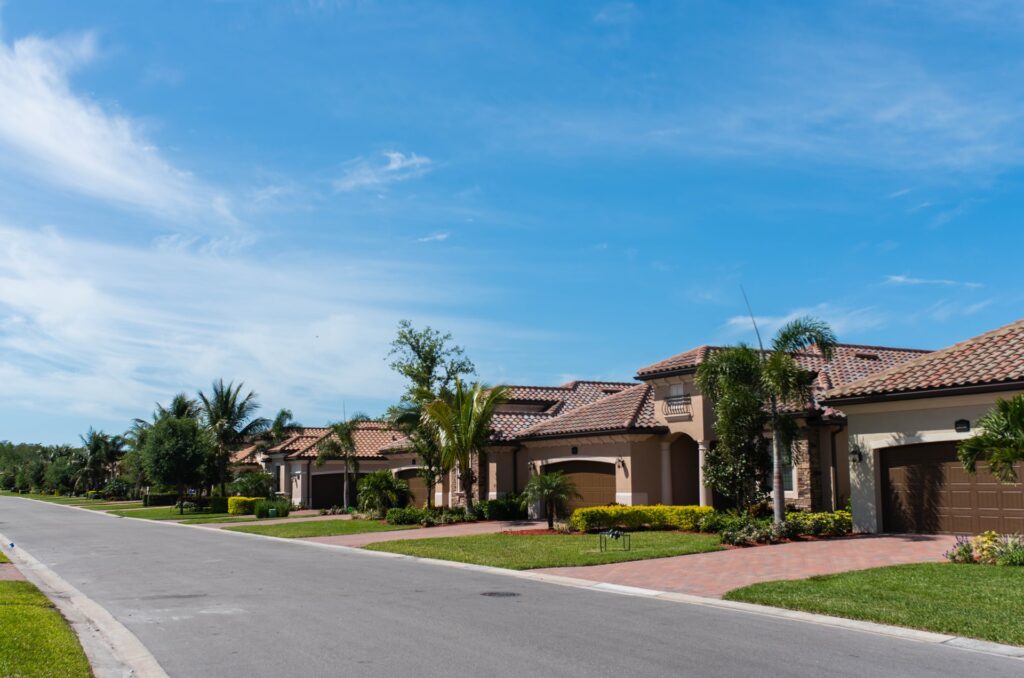
You might wonder why mosquitos are so prevalent in your yard. It’s usually because there’s an abundance of standing water around, which is where mosquitos lay their eggs. This water could be in flowerpots, clogged gutters, poorly draining soil, or puddles forming in paved driveways. Eliminating standing water will make it much harder for a mosquito population to gain a foothold. Still, one must be very diligent—as little as one teaspoon or bottle cap of water standing for over a week is enough for mosquitos to breed and multiply.
The Tampa area lies within the humid subtropical region of Florida. This region, with its high temperatures, extreme humidity, and abundance of lakes and waterways is very appealing to mosquitos. They can make their presence known on a large scale as early as February and should decrease in numbers around November, but research shows that mosquito season in Tampa is getting longer. There are also some scenarios—such as hurricanes, which leave large amounts of standing water in their wake—that can result in high numbers of mosquitoes even in out-of-season, winter months.
Mosquitos go through four distinct stages of life: egg, pupa, larva, and adult.
Egg
A female lays these eggs by the hundreds and either hatch within around 48 hours or stay dormant over the winter to hatch in spring.
Larva
After hatching, the larva lives in the water, feeding on organic material, shedding, and growing.
Pupa
The pupal stage is a resting, non-feeding stage. This is when the mosquito turns into an adult; it takes about two days. Once development is complete, the pupal skin splits and the adult emerges.
Adult
The newly emerged adult rests on the surface of the water for a short period to allow itself to dry and harden—then it’s ready to fly!
Obviously, mosquitos don’t really become bothersome until they reach the fourth and final stage, when their blood-sucking capabilities are fully realized. Fortunately, our all-female team of trained experts at MissQuito targets mosquitos throughout their entire lifecycle using a variety of eco-friendly repellants. Offering same to next day appointments, we’ll work around your schedule to make your Tampa home unappealing to mosquitos—and more appealing to everyone else.