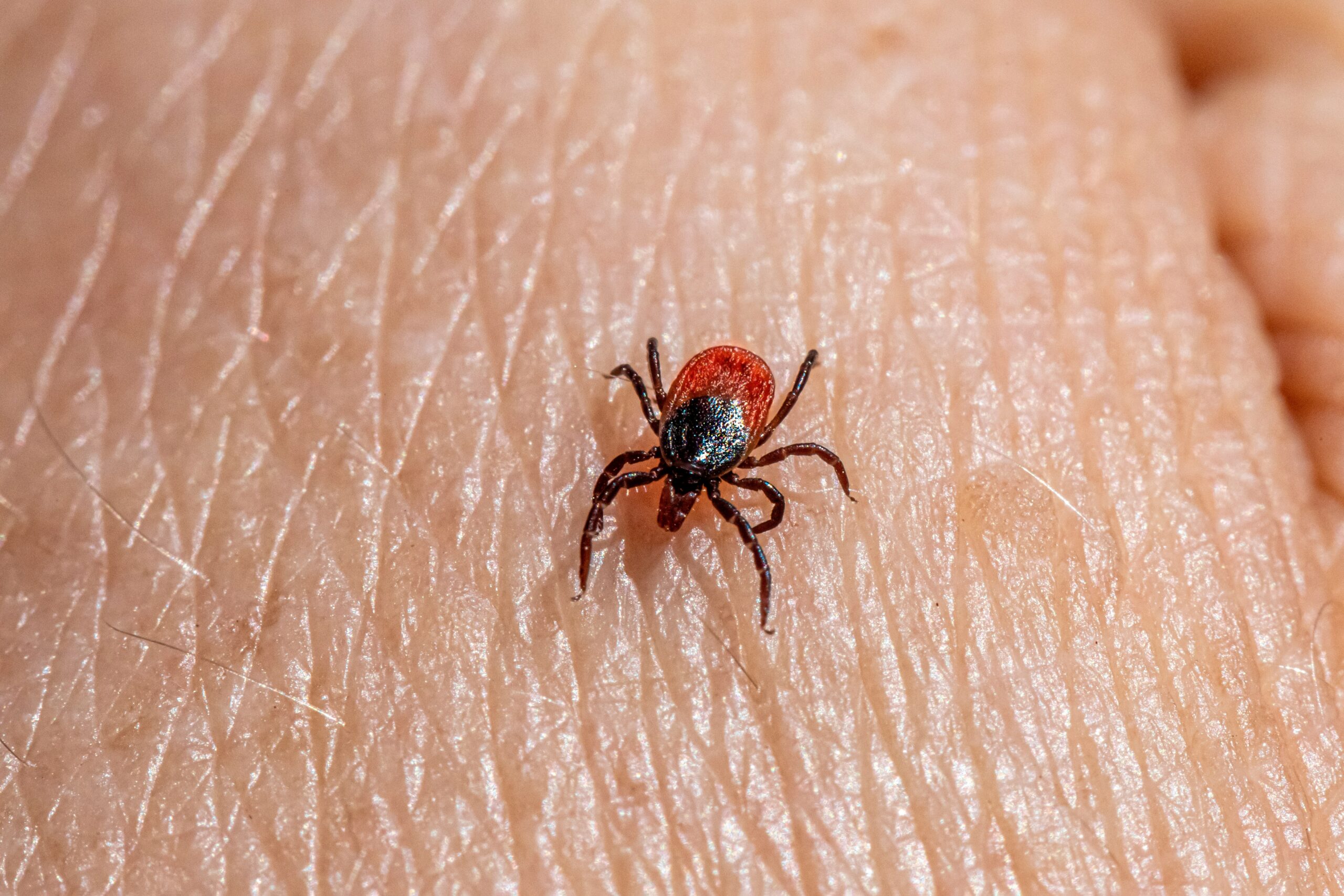
Spending time in your backyard should be comfortable and worry-free. When ticks show up in your yard, it can make your everyday favorite activities like playing with your dog, gardening, or relaxing in the sunshine feel less appealing. If you’re looking for how to get rid of ticks in your backyard, it helps to understand why they’re there and what you can do to kick them to the curb.
U.S. Tick Populations 2026
Tick populations are surging in parts of the United States. The mild winters and warm, wet spring weather have created an ideal environment for ticks to thrive. This changing weather has expanded ticks’ range further northward and into higher elevations.
Ticks are common in many parts of the U.S. and often live in the same outdoor areas people use most. They attach quietly and can carry diseases, which makes early prevention important. With the right approach, you can learn how to get rid of ticks and make your yard a safer place to hang out.
Understanding Ticks
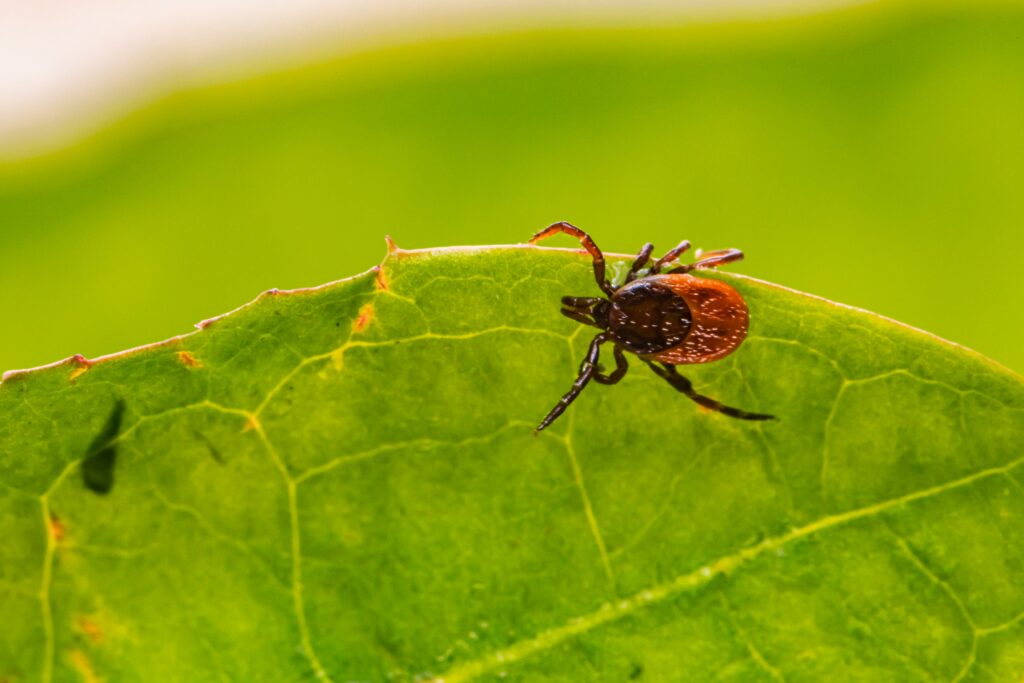
Ticks are small, parasitic arachnids that feed on the blood of animals and people. Instead of jumping or flying, they wait in shaded, humid areas like tall grass and dense vegetation, then attach to a host as it passes by.
If you’re seeing ticks in yard spaces, there’s usually an underlying cause. Wildlife activity plays a major role. Animals like deer, rodents, and even pets can carry ticks onto your property. Deer ticks, in particular, are commonly introduced this way and can quickly establish themselves in favorable conditions.
When ticks show up in the yard, many homeowners ask us, “Should I be worried about ticks in my yard?” It’s a valid and well-founded concern. Ticks can transmit illnesses such as Lyme disease, so it’s important to address the issue early and reduce exposure risks around your home.
Tick season is here and these tiny biters can make you seriously sick. The good news is you have options to help prevent tick bites when you spend time outdoors: You can wear EPA-registered insect repellent and permethrin-treated clothing, do tick checks, and remove attached ticks as quickly as possible. These simple steps can go a long way in protecting you and your family from diseases spread by ticks. And if you develop a rash or fever in the days to weeks after a bite, or after being in an area with ticks, seek medical care promptly.
Alison Hinckley, PhD, epidemiologist and Lyme disease expert with CDC’s Division of Vector-Borne Diseases
Tips for Getting Rid of Ticks in Your Backyard
If you’re asking how you can get rid of ticks in the yard, the answer often comes down to making your yard less suitable for them. Ticks need moisture, shade, and access to hosts to survive. Removing these factors helps get rid of ticks and prevents new ones from settling in.
Here’s what you can do:
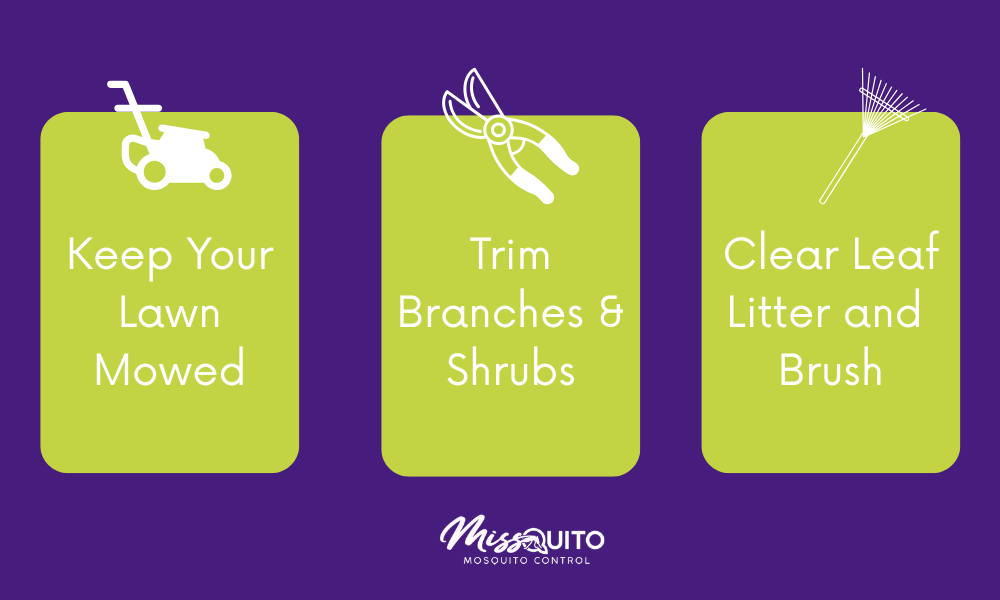
Keep Your Lawn Mowed
Ticks prefer tall grass because it offers protection and helps retain moisture. Keeping your lawn trimmed short exposes ticks to sunlight and dry conditions, which makes survival more difficult.
Regular mowing also reduces the chances of ticks attaching to people or pets as they move through your yard. Be sure to maintain edges, fence lines, and other areas where grass tends to grow thicker.
Trim Branches and Shrubs
Overgrown landscaping creates the shaded, humid environment that ticks rely on. Trimming back shrubs and low-hanging branches allows sunlight and airflow to reach the ground.
This helps dry out the soil and reduces hiding spots. It also makes it easier to spot signs of wildlife activity that may be contributing to the problem.
Clear Leaf Litter and Brush
Leaf piles, woodpiles, and yard debris are ideal habitats for ticks. These areas trap moisture and attract small animals that carry ticks into your yard.
Clearing leaf litter and brush is one of the most effective ways to get rid of ticks in yards. Keep firewood stacked neatly and away from your home, and remove debris regularly to limit both shelter and host activity.
Use Repellents
Repellents can play an important role when you’re deciding how to get rid of ticks in the yard. There are both natural and professional options to consider.
On the natural side, many homeowners use essential oils. Ticks are especially sensitive to strong scents, such as cedarwood, eucalyptus, and certain essential oils. These DIY options can be useful for light prevention, especially in smaller areas.
However, they typically require frequent reapplication and may not fully address established tick populations. For more reliable results, a professional spray for ticks in the yard is often recommended.
Professional treatments are designed to target ticks at multiple life stages and are applied in high-risk areas such as shaded edges, brush lines, and wooded borders. These treatments last longer and provide more thorough coverage, making them a strong option for ongoing control.
Ultimately, though, whether a DIY treatment will kill ticks in your yard often depends on how severe the problem is.
DIY vs. Professional Pest Control
DIY methods are often the first step homeowners take, especially when tick activity is just starting to appear. For example, routine yard maintenance and store-bought repellents may help reduce short-term exposure.
But if ticks continue to appear, it’s worth taking a closer look at the bigger picture. A thorough inspection can help identify where the ticks are coming from and what conditions are allowing them to thrive.
Professional tick control services for your yard focus on long-term prevention. This includes targeted treatments, habitat adjustments, and strategies to reduce the presence of host animals.
Call MissQuito for Ticks in Your Backyard

Ticks tend to stick around when your yard provides the cover and wildlife activity they rely on. Even with regular upkeep, it can be difficult to fully get rid of ticks without addressing where they’re coming from and how they’re surviving on your property.
At MissQutiol, we take a practical approach to tick problems by identifying key risk areas and reducing the conditions that support them. If ticks in your yard are becoming a concern, you can contact us to find locations near you and schedule a service.